On a balmy November morning, students drift into the auditorium, as “Wonderful Life” by Black plays on the speakers. The atmosphere is relaxed as the course instructor, Anthony Ong, begins a lecture on optimism and pessimism.
Ong is a professor of psychology, and the course is called the Science of Well-Being. It introduces students to positive psychology, a field that studies what helps people thrive, from gratitude and resilience to purpose and connection. What sets the course apart is that students don’t just study well-being; they practice it. Weekly activities and small-group discussions help them apply course concepts to their own lives.
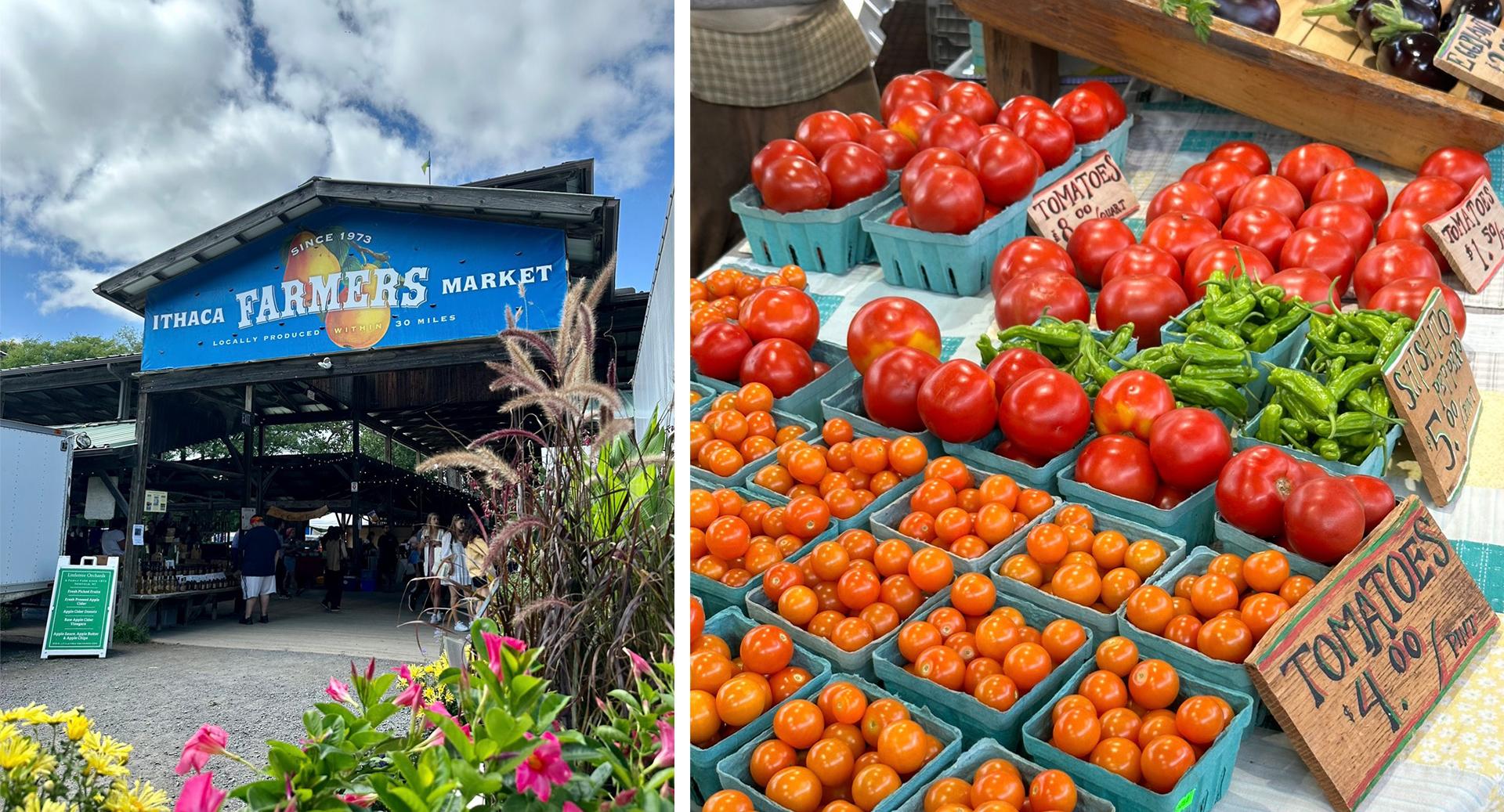
During a unit on the power of community connection, students chose from a list of places in Ithaca to engage with new people including Loaves and Fishes, Southside Community Center, the Lab of Ornithology and the Ithaca Farmers Market.
Kelly Kim ’27, a human development major, chose to visit the farmers’ market. “We talked with vendors, asking what they recommended, and chatted with locals while waiting in line for pita,” she said. “It was refreshing to step off campus and talk with people outside my usual circle. It made me realize how small, everyday interactions with people in the wider community can lift my mood and help me feel more connected to Ithaca, not just to Cornell.”
Other assignments encourage students to get out in nature. In one exercise, students walked through the Cascadilla Gorge or Ithaca Falls using a guided observation exercise to understand the effects of awe and explore how paying closer attention shaped their experience. Students were asked to spend at least 45 minutes at their chosen site, limit phone use, and pause periodically to tune in to their surroundings such as listening to the water or watching falling leaves.