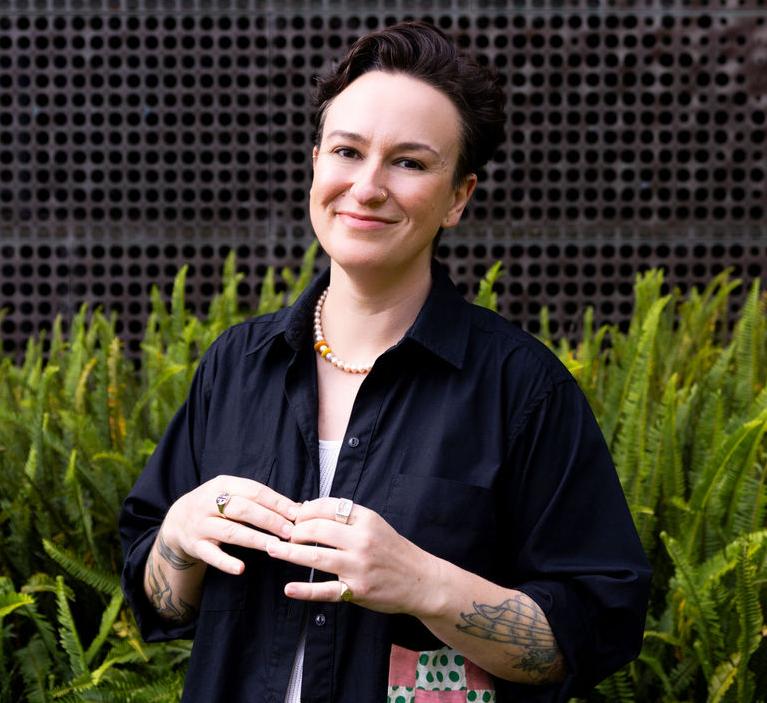
B. Sanborn is an environmental psychologist and anthropologist who uses design research to make buildings and communities more innovative and usable. With an M.S. in Human Environment Relations (2015) and 12 years of experience in the architecture industry, they now run their own practice, driven by a deep curiosity about how people interact with space. 

Q. What does your work look like day to day?

A. I collaborate with designers, owners, clients, community groups, and nonprofits — anyone focused on the built environment and places for people — and use research to help them make decisions and measure impact. 

That’s a mix of fieldwork, office work and creativity. One morning I might be running a post-occupancy study in a building, watching how people move through the space. The next, I'm sitting with a design team, helping them frame the right questions before construction. 

Buildings are one of the biggest investments we make as a society; they take up space in the world around us, and they last many decades. I help the people creating and using them make the most of that investment.

I also speak to and facilitate workshops with community groups and other organizations to help them identify design needs or build their own research practice. I help people from many backgrounds get comfortable engaging with research as part of their everyday practice rather than as a single report or element of a project. 

Q. What was your master’s thesis about?

A. Working with my advisor, Ying Hua, I studied four coworking spaces through surveys, observations, and user interviews to understand how the space overall, the amenities within it, and the programs offered helped to create new connections in the overall social network of a place. 

The ultimate goal was to demonstrate that coworking spaces, as space types that create new community "nodes," contribute to social capital formation within communities they serve that has benefits beyond the space.

Posted on
07/16/2026
Author
Marisa LaFalce
Tags
Alumni

As someone who is both analytical and creative, I use design to express myself and to tell the story of how everyone can engage with a research mindset to create collective, joyful inquiry.

B Sanborn
M.S. ’15
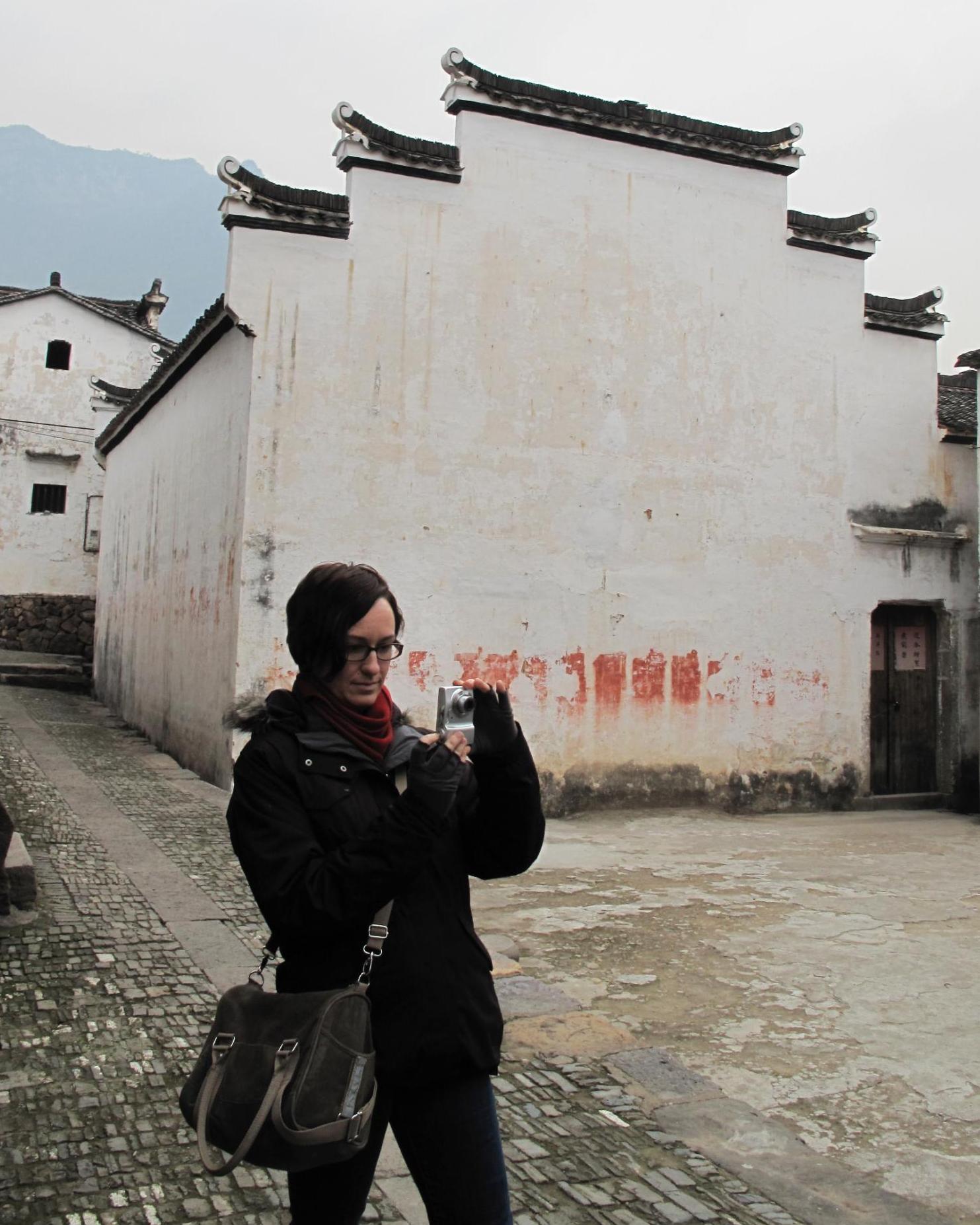
B Sanborn takes a photo while on a research trip to China

Q. How does your Cornell education shape your work today?

A. My time at Cornell had a major impact on my work! I was interested in studying social capital, social networks in space, and community resilience. I had no idea I would wind up working in the architecture industry. It was my Design and Environmental Analysis professors who shared their experiences with me and encouraged me to think about this type of industry work that changed my thinking. Through their guidance, I realized that if I wanted to have the most impact on a very complex system of problems and solutions, I should consider working closely with the people who design buildings and communities.

Q. I use design to…

A. I use design to translate research concepts for non-researchers, especially highly visual learners and thinkers in the design community. I also use my own design thinking and design skills to identify problems, break them down into provocations and opportunities, and identify whether something needs a research inquiry or a design intervention to change the state of being. 

As someone who is both analytical and creative, I use design to express myself and to tell the story of how everyone can engage with a research mindset to create collective, joyful inquiry.
 

Q. Tell us about your involvement in the Environmental Design Research Association.

A. I serve as the 2025-26 EDRA board chair. The role is about stewardship. I ran for the board so I could take part in supporting the researchers, practitioners, and students who are working to connect rigorous research to real-world design. It's a community I care about deeply, and I have benefitted from EDRA's support in my own career path. Serving on the board is a way to give back. I also enjoy seeing many familiar Cornellians as EDRA members and new graduate students who join each year.

Q. Is there anything else you’d like to share?

A. I was a little overwhelmed when I arrived at Cornell. I grew up on a small island and was homeschooled, and even my undergraduate experience was in a relatively small cohort. Cornell’s scale was much bigger than anything I had encountered. I quickly realized that also meant amazing connection opportunities to a universe of awesome experts. 

Cornell's interdisciplinary mission made me feel comfortable approaching almost anyone to say "Hi, this is me, and I think what you do is fascinating." This has helped me find connections between my own work and many other fields, and that mentality and network still benefits my current practice. 
 

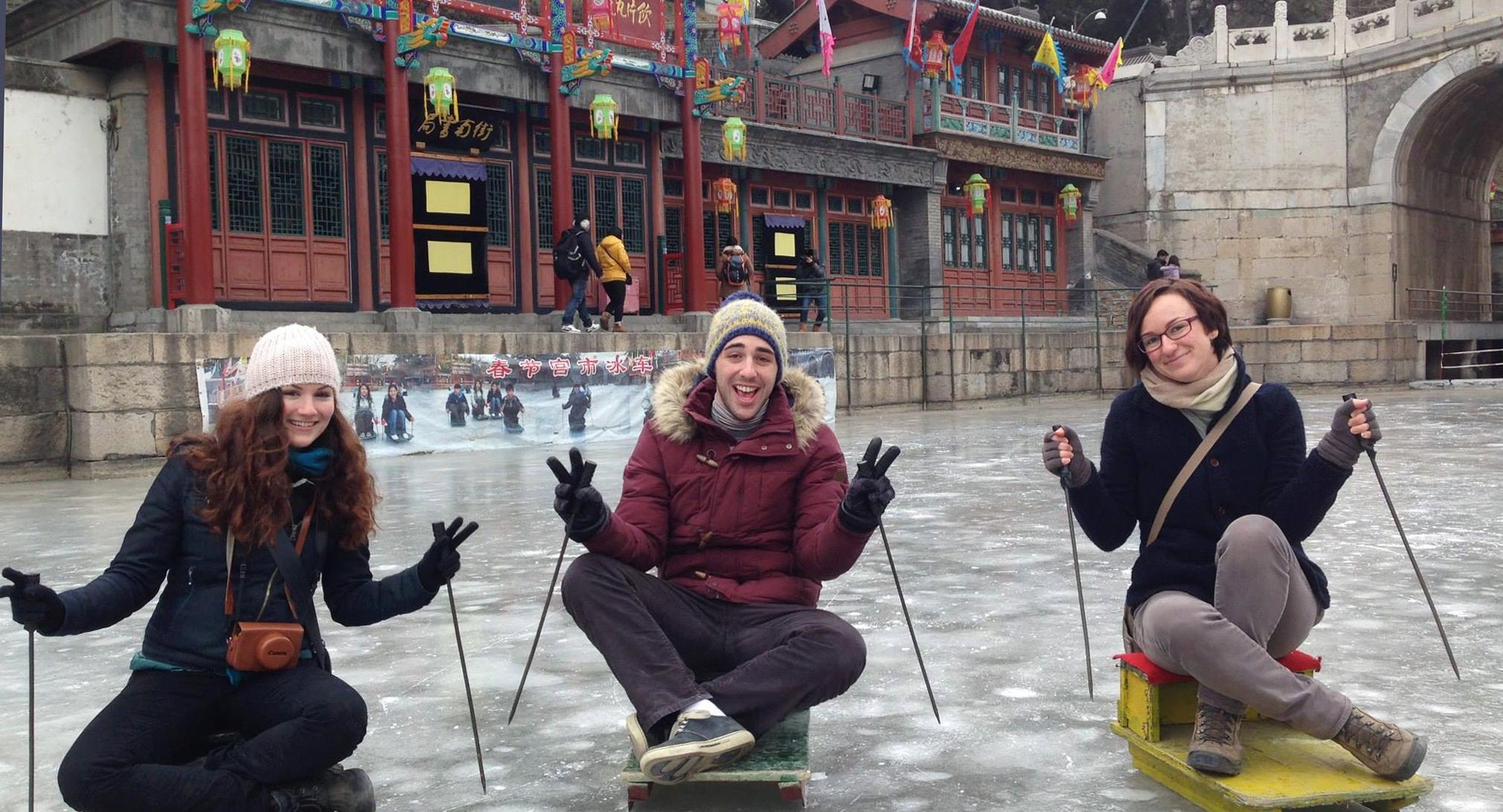
Three people sitting on sleds pushing around the ice in China.

Sanborn (right) and classmates Lauren (Bigelow) Rondel ’12, ’15 and Ethan Arnowitz ’15, ’17 try sit-skating during a design research trip to China led by Ying Hua, professor in the Department of Human Centered Design. Photo above from the same trip. Provided.

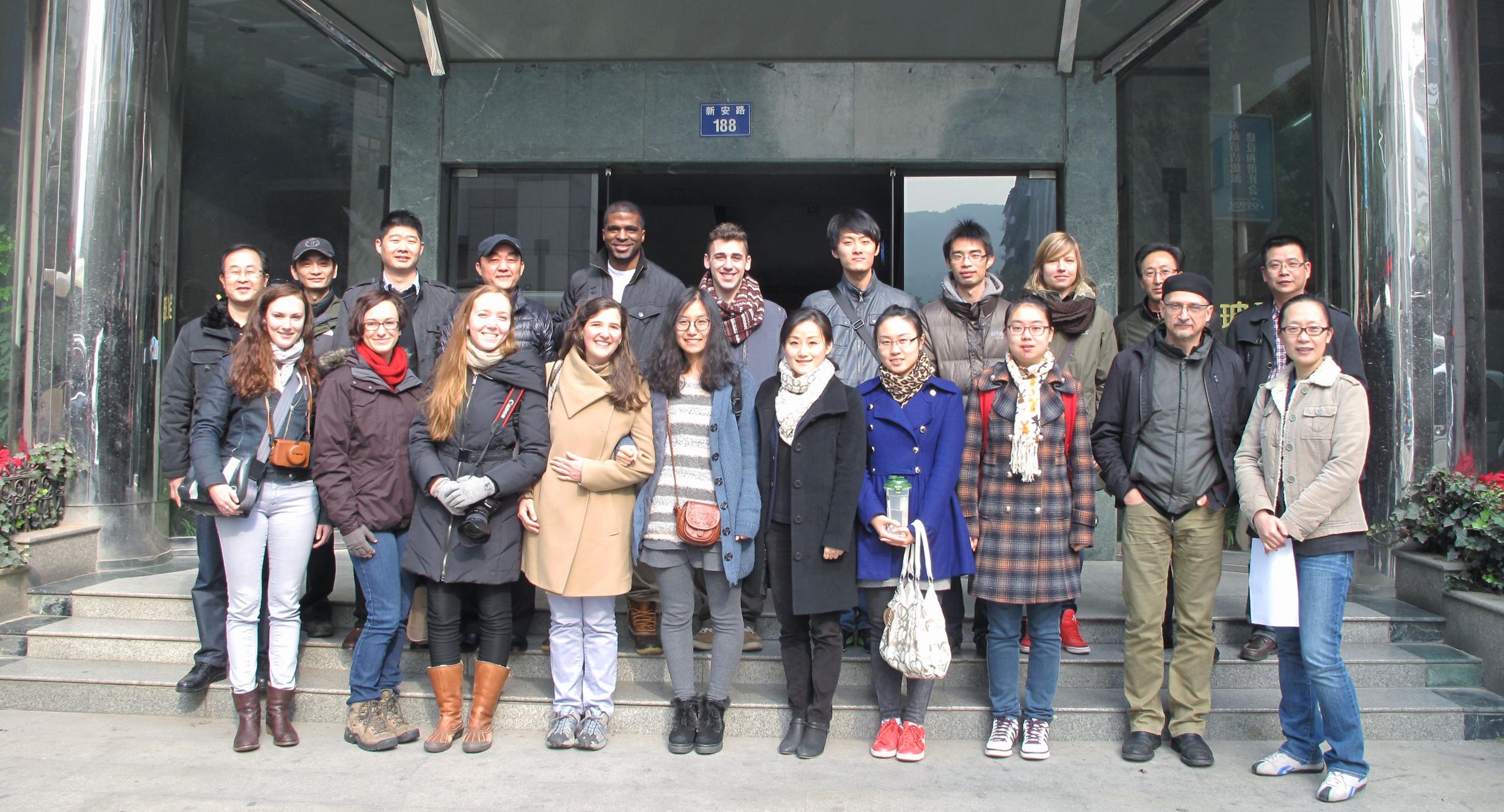
Group of 20+ people stand on steps of building in China.

Group photo, including Sanborn and hosts from Hangzhou University during a design research trip to China in 2013 led by Ying Hua (far right, front row) and Jack Elliott (second from right, front row). Provided.