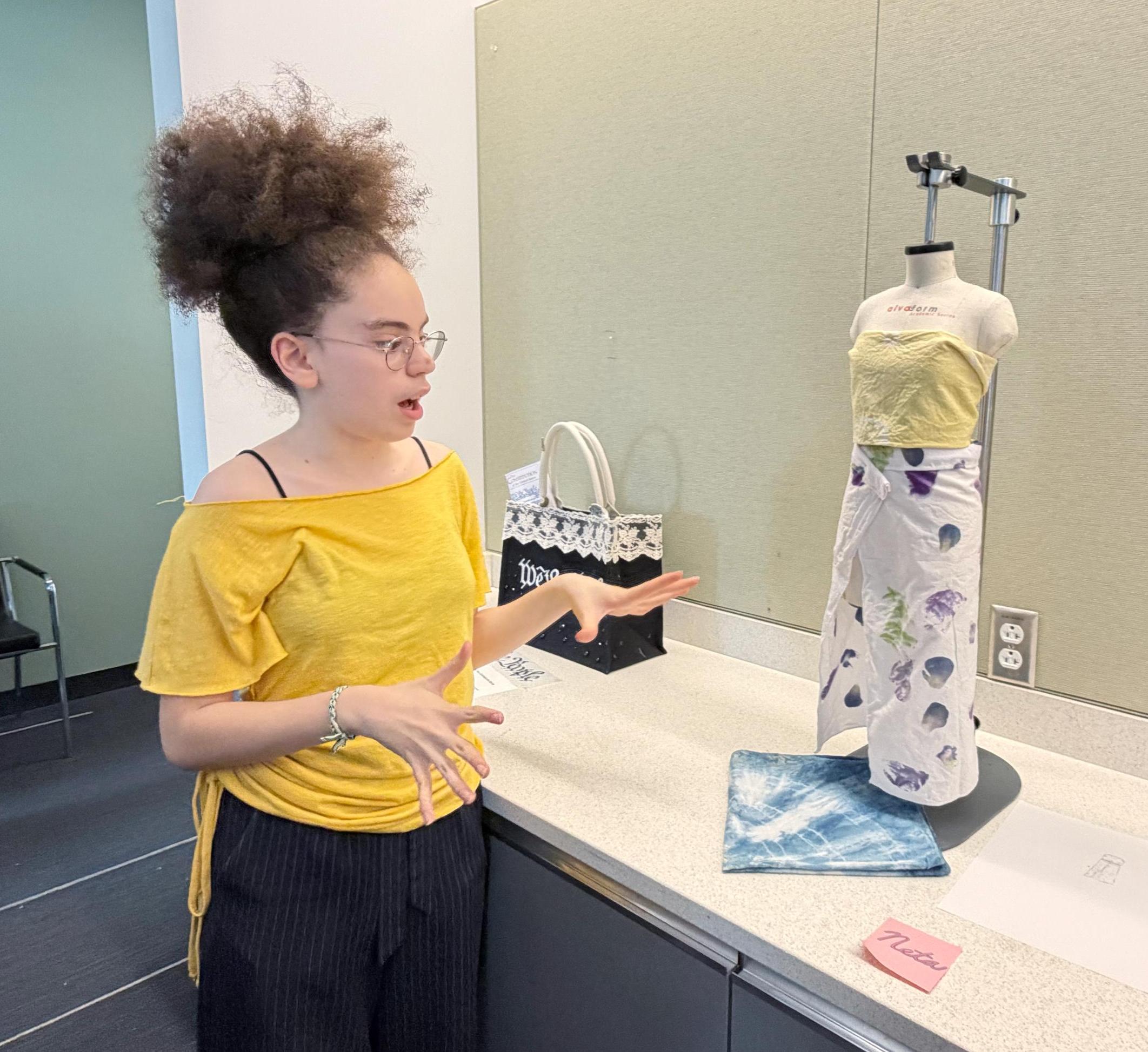
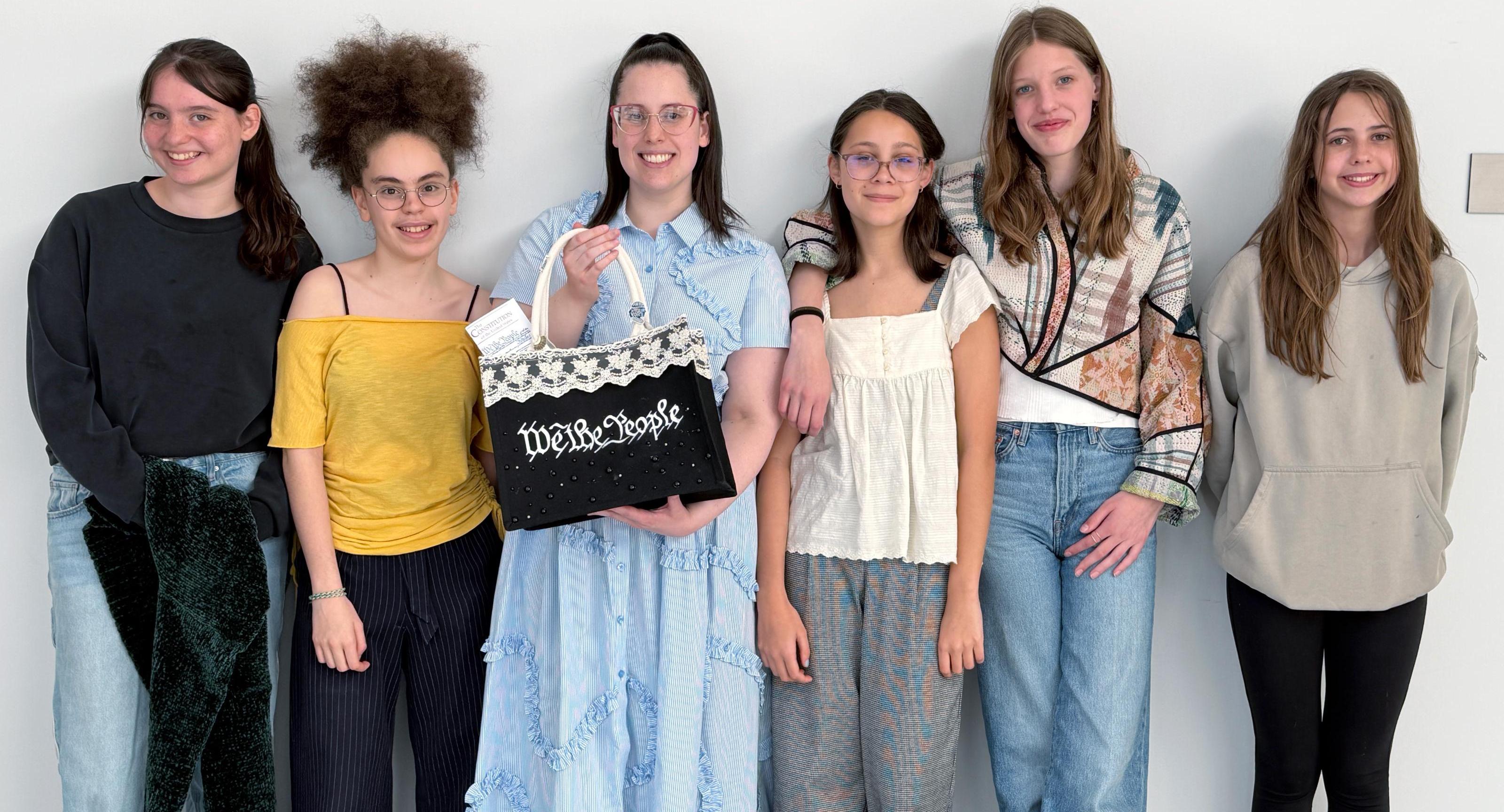
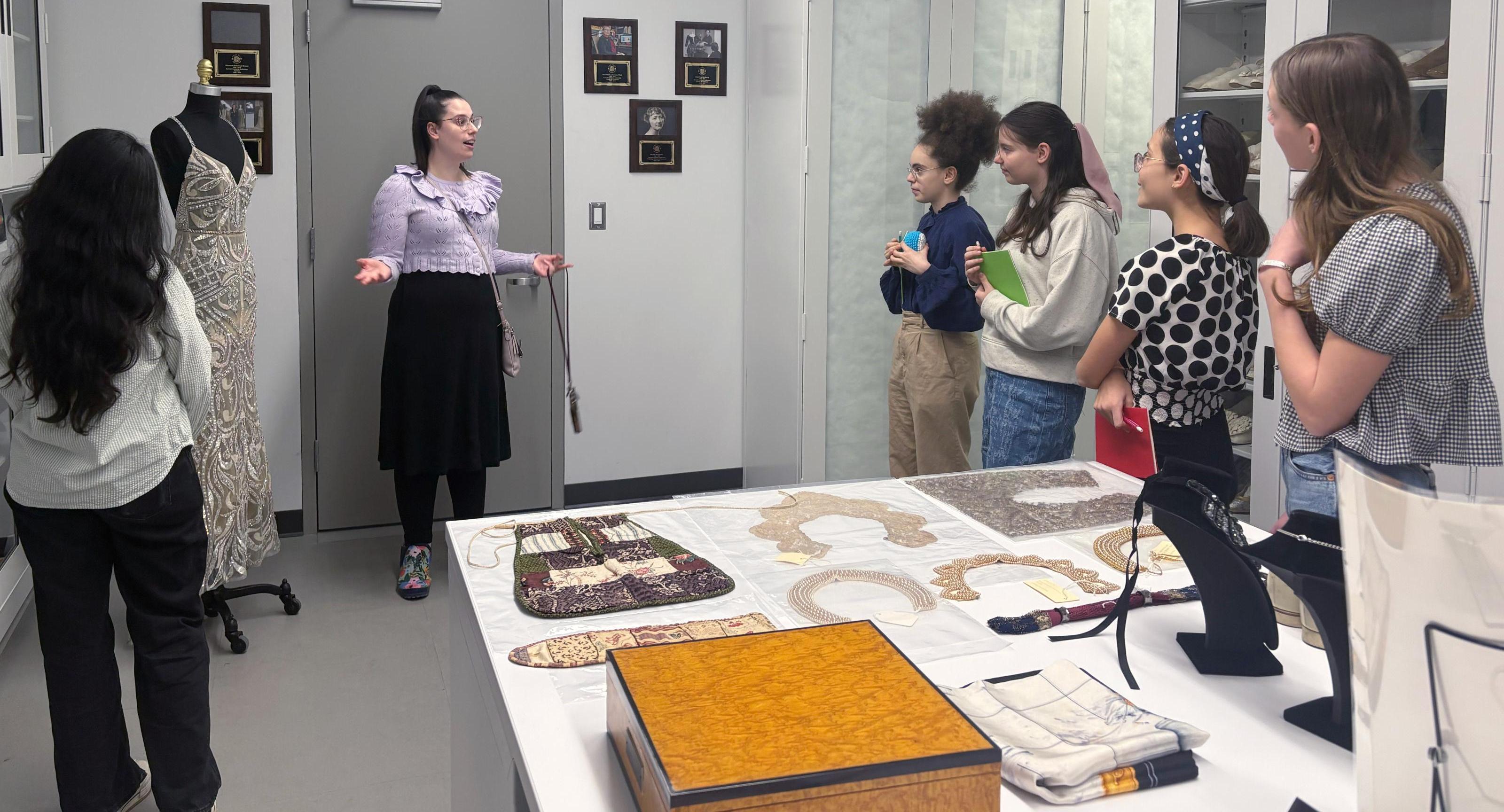
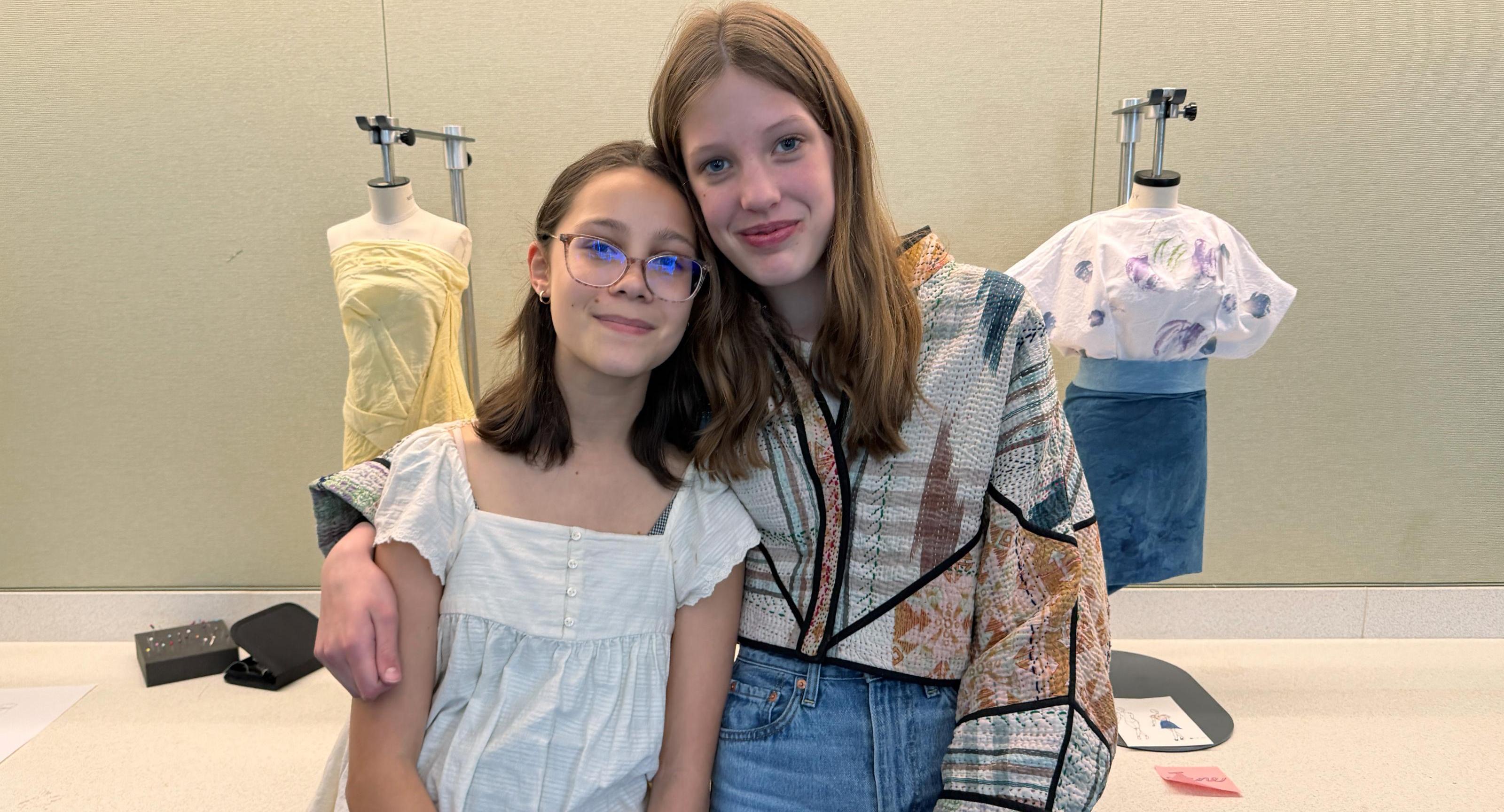
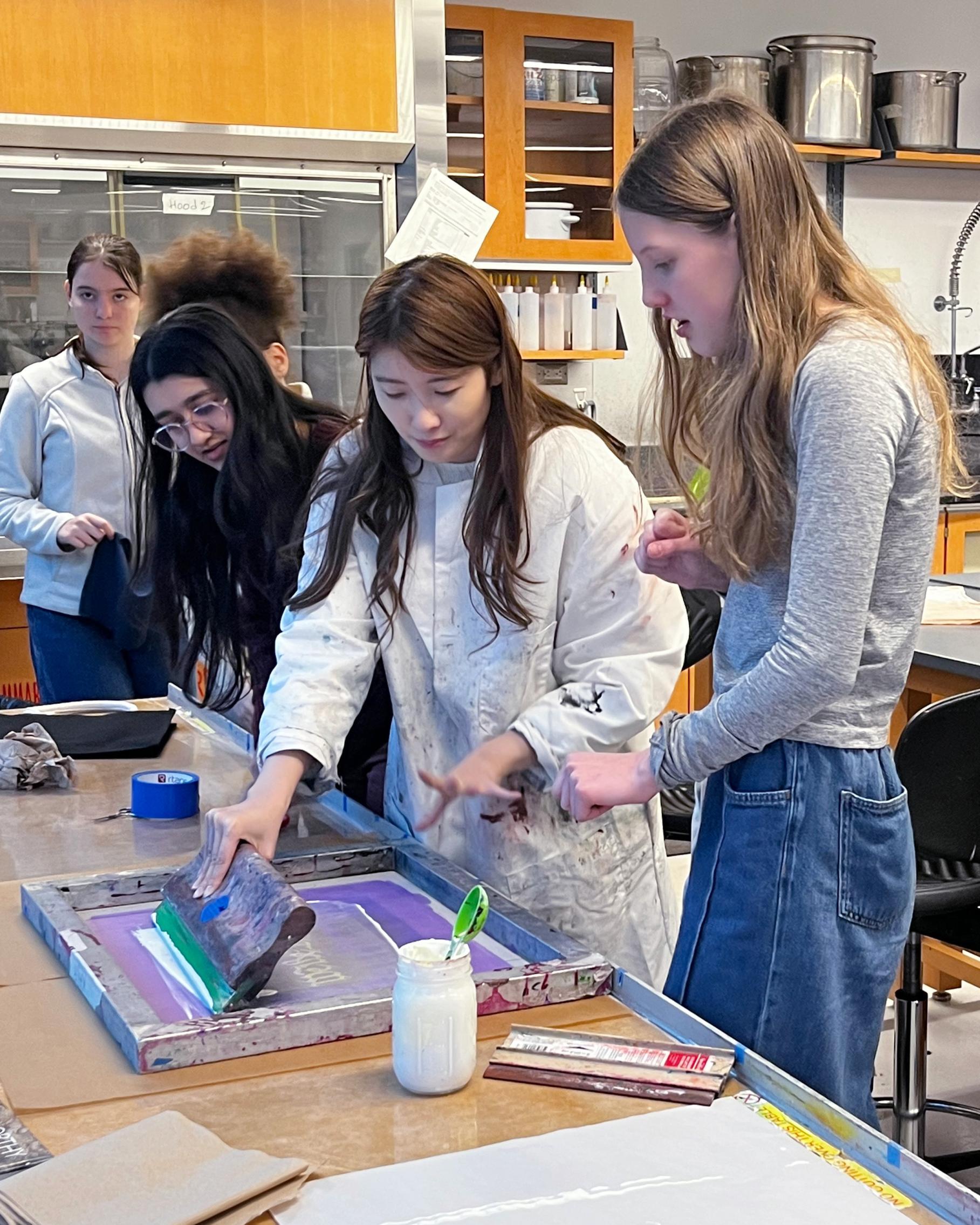
As a preamble to her sustainable fashion education, Alberts’s master’s thesis examined the history of 4-H clothing clubs in New York State. She interviewed 22 former club participants and leaders and reviewed archival materials thanks to a Graduate Summer Archival Research Fellowship.
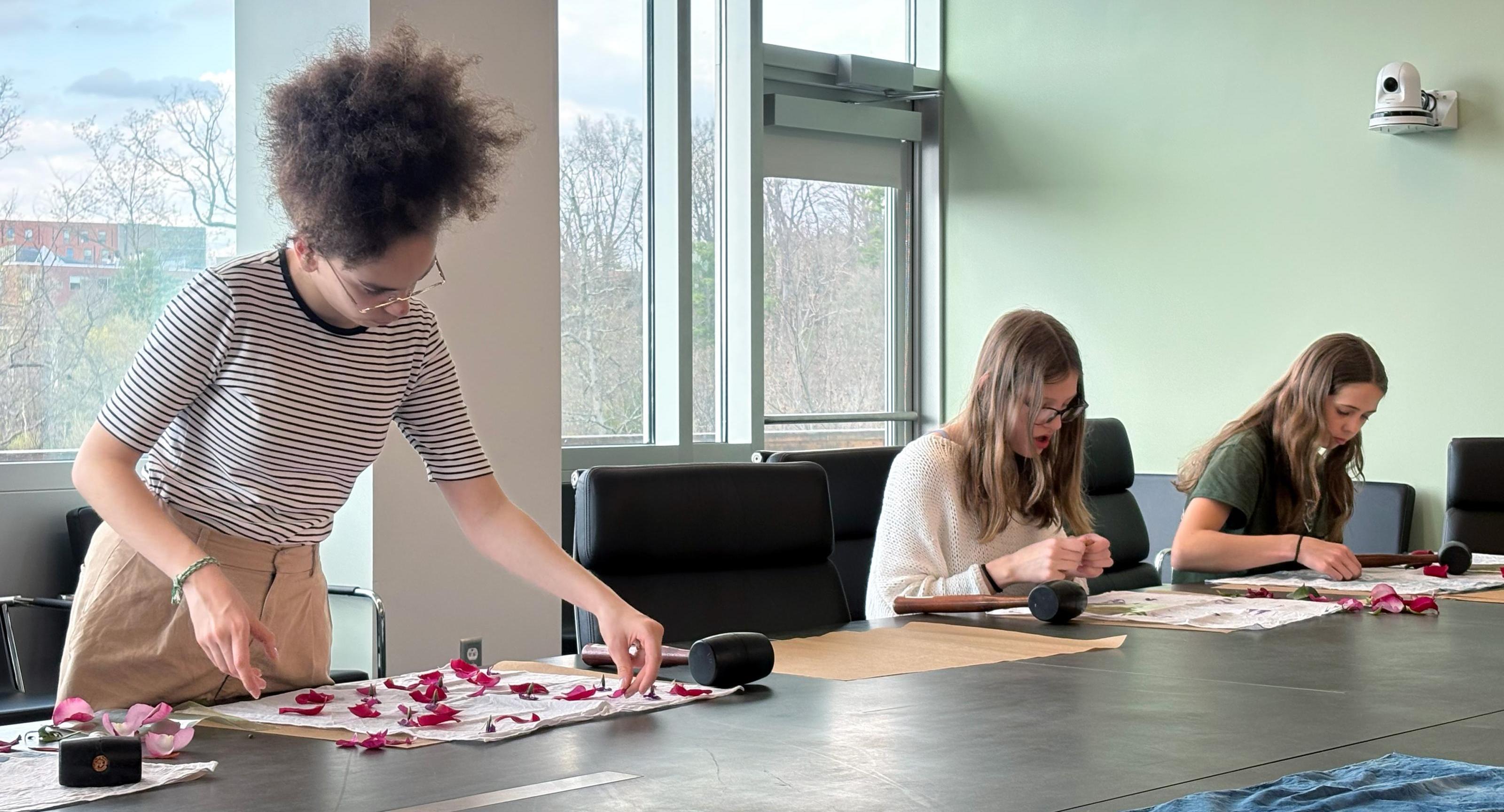
Clothing clubs were once a vibrant part of 4-H programming, but they declined in the 1980s and 1990s as more women worked outside the home and retail clothing became more economical than home-sewing. A handful of clubs still exist across New York State. Alberts drew from her research to create her curriculum, updating some themes to make them relevant to today’s youth.
“My goal is to revitalize the club to support today's challenges within the fashion industry,” she said. “As adolescents begin working and spending money, how do they become more conscious and informed consumers?”
Over the first year of the club, Alberts periodically surveyed participants to build an engaging program that blended her curriculum goals and their preferences.
Alberts's work was supported in part by the Morgan Engaged Faculty Fellowship awarded to her Ph.D. advisor, Denise Green, by the Bronfenbrenner Center for Translational Research. The fellowship, established through a gift from Rebecca "Becky" Q. Morgan '60 and her husband, James C. Morgan '60, MBA '63, helps Human Ecology faculty members translate research into community impact.
“This kind of ethnographic research really does require in-depth and ongoing engagement with community,” said Denise Green ’07, the Lau Family Associate Professor in the Department of Human Centered Design. “When you can develop rapport with young people and build those relationships, the kinds of things you learn from your research participants is incredibly rich.”
Green also led a 4-H Clothing Club in Tompkins County when she was an undergraduate at Cornell.
“There’s a lot of eco-guilt among this generation, so helping them to develop the tools and the skills to do something about it is empowering,” Green said.