Courses you can take

Senior Lecturer
Focus areas
Architectural Design/Interior Architecture, Research-driven design, Human-centered design
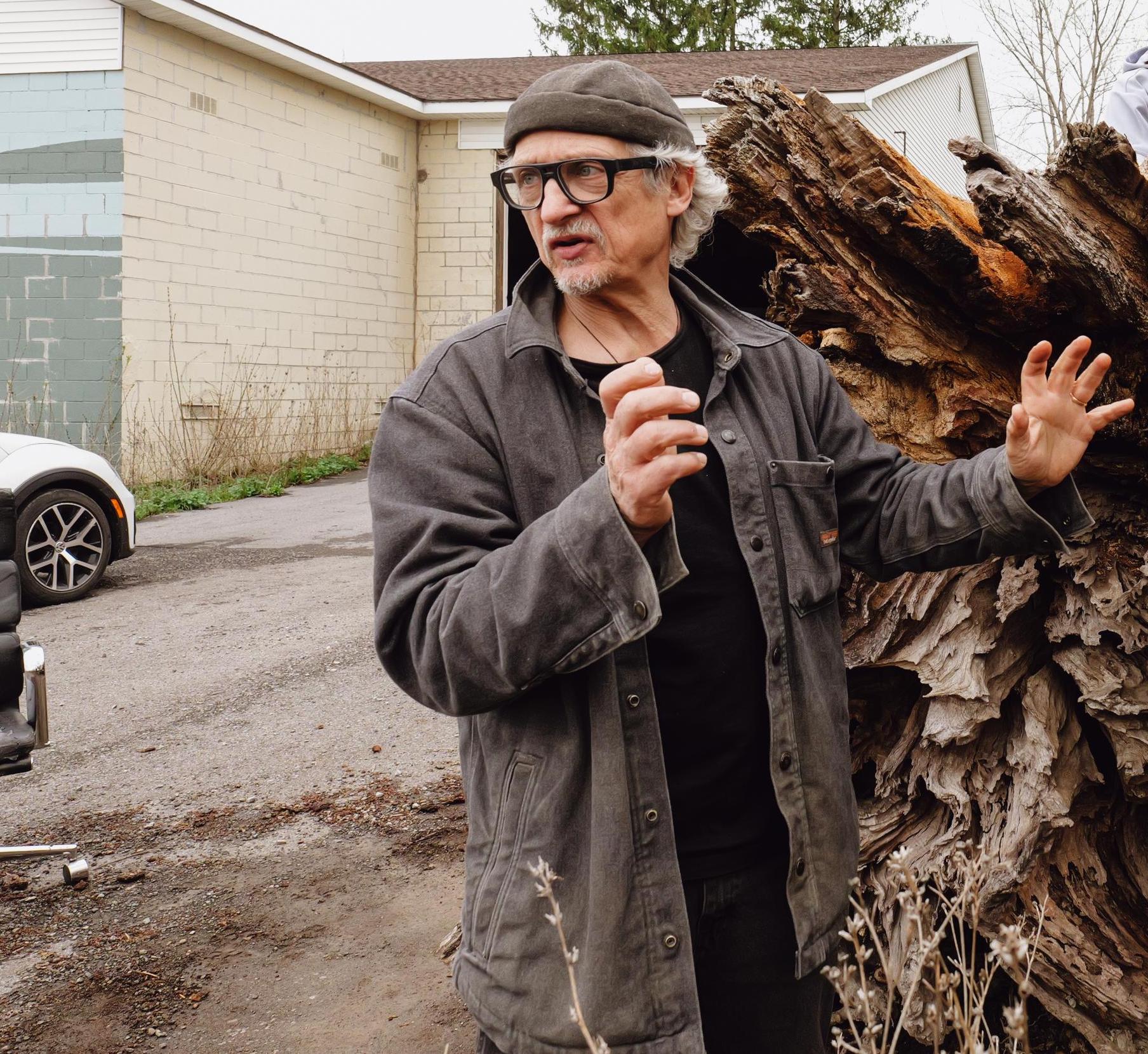
Associate Professor
Director of Undergraduate Studies, Design + Environmental Analysis
Director of Undergraduate Studies, Design + Environmental Analysis
Focus areas
Material culture in the built environment, Ecological literacy in design, Arborworks sculpture

Elizabeth Lee Vincent Professor
Focus areas
Children's environments (e.g. schools, housing), Environment of childhood poverty, Development of environmental attitudes/behaviors in children

Jean and Douglas McLean Professor
Focus areas
Intersection of design + robotics + psychology, Robot “living rooms” interacting/adapting with inhabitants, Robots that improve community, learning and health

Professor
Focus areas
Practice + approaches to creating optimal work + learning, Research methodology for post-occupancy evaluation (POE), Sustainable and resilience building practices in US + Asia

Associate Professor
Focus areas
Wayfinding + spatial cognition using VR + simulation, Predictive design tools evaluating human responses to design, Human-environment interaction: built and virtual environment

Associate Professor
Focus areas
Wearable technology and on-skin interfaces, Designing skins across scales, Social perceptions towards on-body technologies

Assistant Professor
Focus areas
Accessible interactive technologies, Human-computer interaction, Design innovation – bridging art, technology and UX

Assistant Professor
Focus areas
Design for Indigenous empowerment, Transformational design for societal + environmental change, Intercultural design knowledge

Evalyn Edwards Milman Assistant Professor in Child Development
Focus areas
children's environments, participatory research & design, behavior mapping


Senior Associate Dean for Research and Graduate Education
Professor
Professor
Focus areas
Environmental psychology, Effects of the built and natural environment on human health, Environmental design + policy impacts on consumption + reuse

Associate Professor, Director of Graduate Studies in Design + Environmental Analysis
Focus areas
Experience-driven design, Design for emotion, subjective well-being + behavior change, Product design + development

Professor
Focus areas
Human-computer interaction in virtual environments, Large-scale interface/interaction design, Interior design

Associate Professor
Focus areas
User-centered design in healthcare, Systems approach, Healthcare entrepreneurship
How to apply
Tuition and fees
Contact us